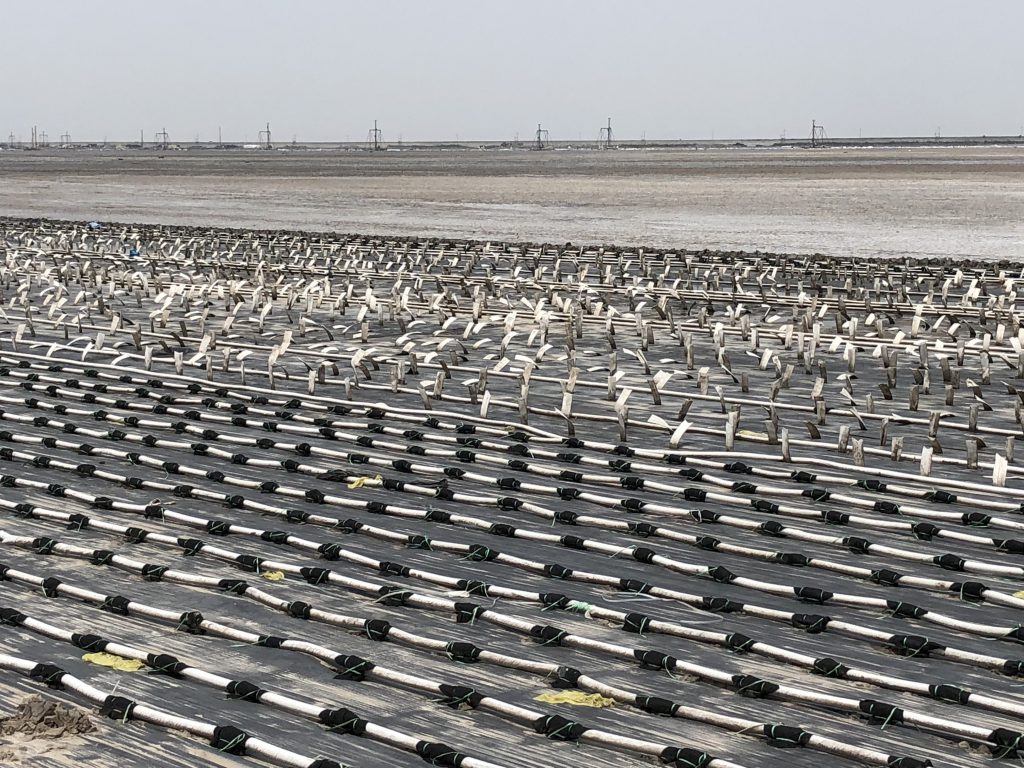
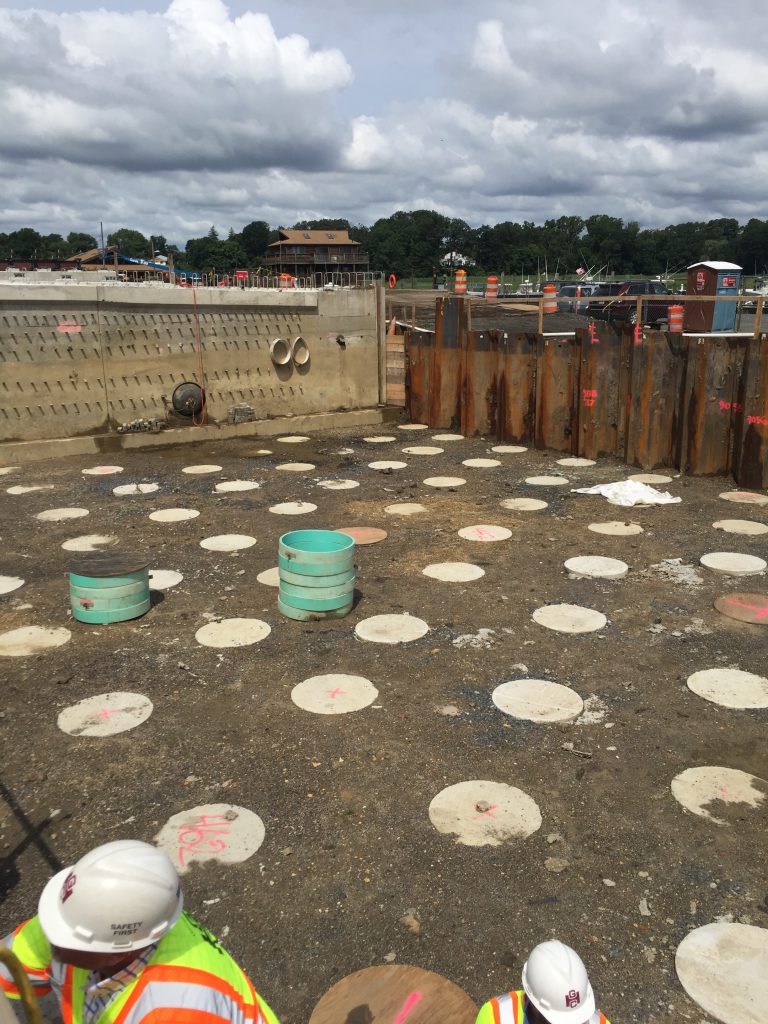
Dr. Collin has led the use of column-supported embankments on load transfer platforms in the United States. Over the twenty years he has been the design engineer of record for over dozens of column supported embankment projects across the US. Projects have included bridge approach embankment support in NJ, TX, IA, MN, FL, and WA, support of oil storage tanks in NJ and Louisiana, support of MSE walls, and support of office buildings and townhouses in NJ and Alabama. The design methodology used to design these structures was pioneered by Dr. Collin, and it has contributed to the growing use of column supported embankments with load transfer platforms. His leadership in engineering this technology has led to wide-spread use throughout the U.S. and has expanded use worldwide.
Dr. Collin has also conducted research on this ground improvement technique. He was the principal investigator for an FHWA research program to develop design guidelines for column supported embankments (Collin, J.G., Han, J., and Huang, J. (2005), “Design Recommendations for Column Supported Embankments” Federal Highway Administration FHWA-HRT).
This research was continued in the SHRP2R02 project to provide additional guidance for designers and specifiers of CSE. He is also part of a team that developed the FHWA Design Manual on Deep Mixing for Embankment and Foundation Support (FHWA Design Manual: Deep Mixing for Embankment and Foundation Support, Federal Highway Administration FHWA/NHI 13-046, 2013).
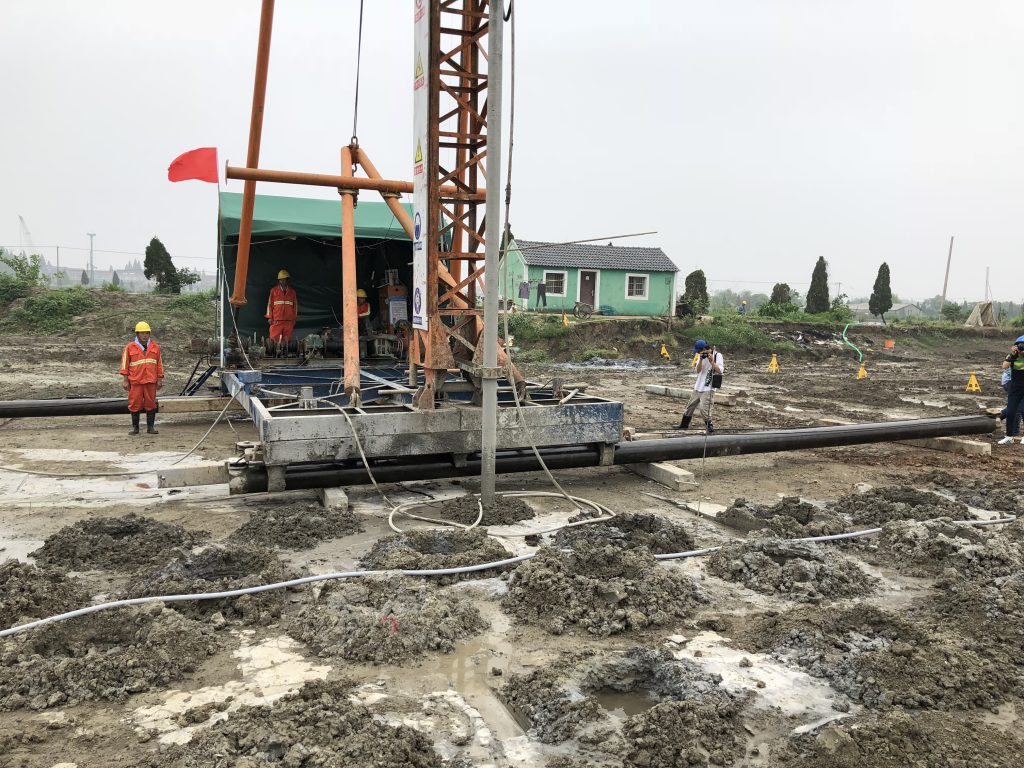
More recently, Dr. Collin was a principal investigator for the SHRP2R02 project on “Geotechnical Solutions for Soil Improvement, Rapid Embankment Construction, and Stabilization of the Pavement Working Platform.” The objectives of this 4 year research program included the evaluation of ground improvement and rapid construction techniques for building embankments over soil soils (i.e., deep soil mixing, column supported embankments, wick drains), the development of a catalogue of materials and systems for rapid renewal projects; guidance for design and QC/QA procedures, methods for estimating costs, and sample specifications for the identified geotechnical materials, systems and technologies. The culmination of the research program was the development of a web based Ground Improvement selection and guidance system (https://www.geoinstitute.org/geotechtools/).